Three perspectives on the neural mechanisms underlying natural behavior
Our research approaches the neural basis of natural behavior from three complementary perspectives: Communication, Social Space and Active Vision.
Communication
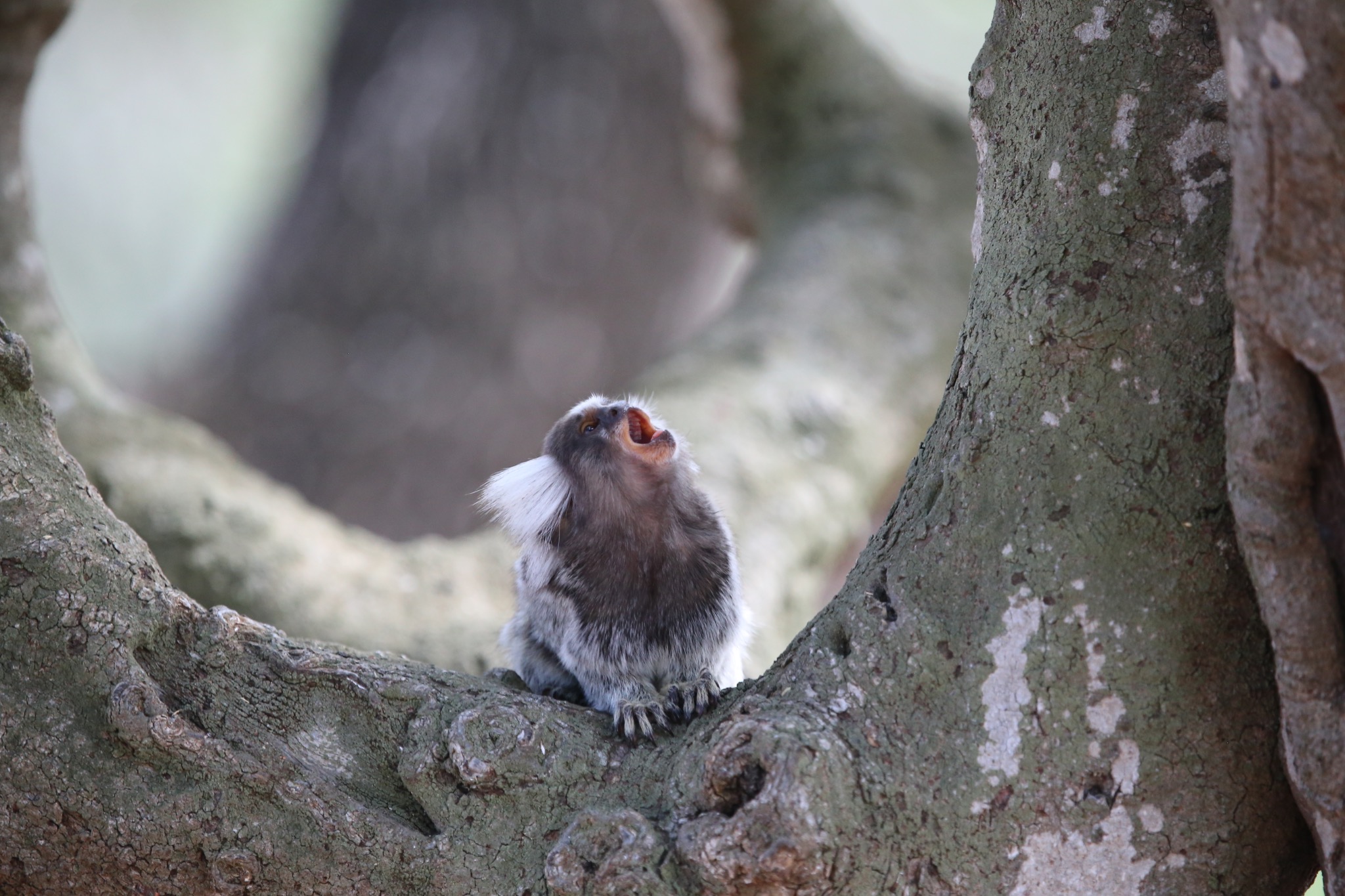
Communication is fundamentally an interaction between individuals. The brain must not only produce and perceive signals, but interpret them in relation to who is communicating, what has already happened, and what others are doing at that moment. We study the neural mechanisms that allow individuals to exchange information and coordinate their behavior during natural social interactions. By studying communication as it unfolds in real time, we seek to understand how the brain integrates perception, action, memory, and social knowledge to generate meaningful interactions with others.
Social Space
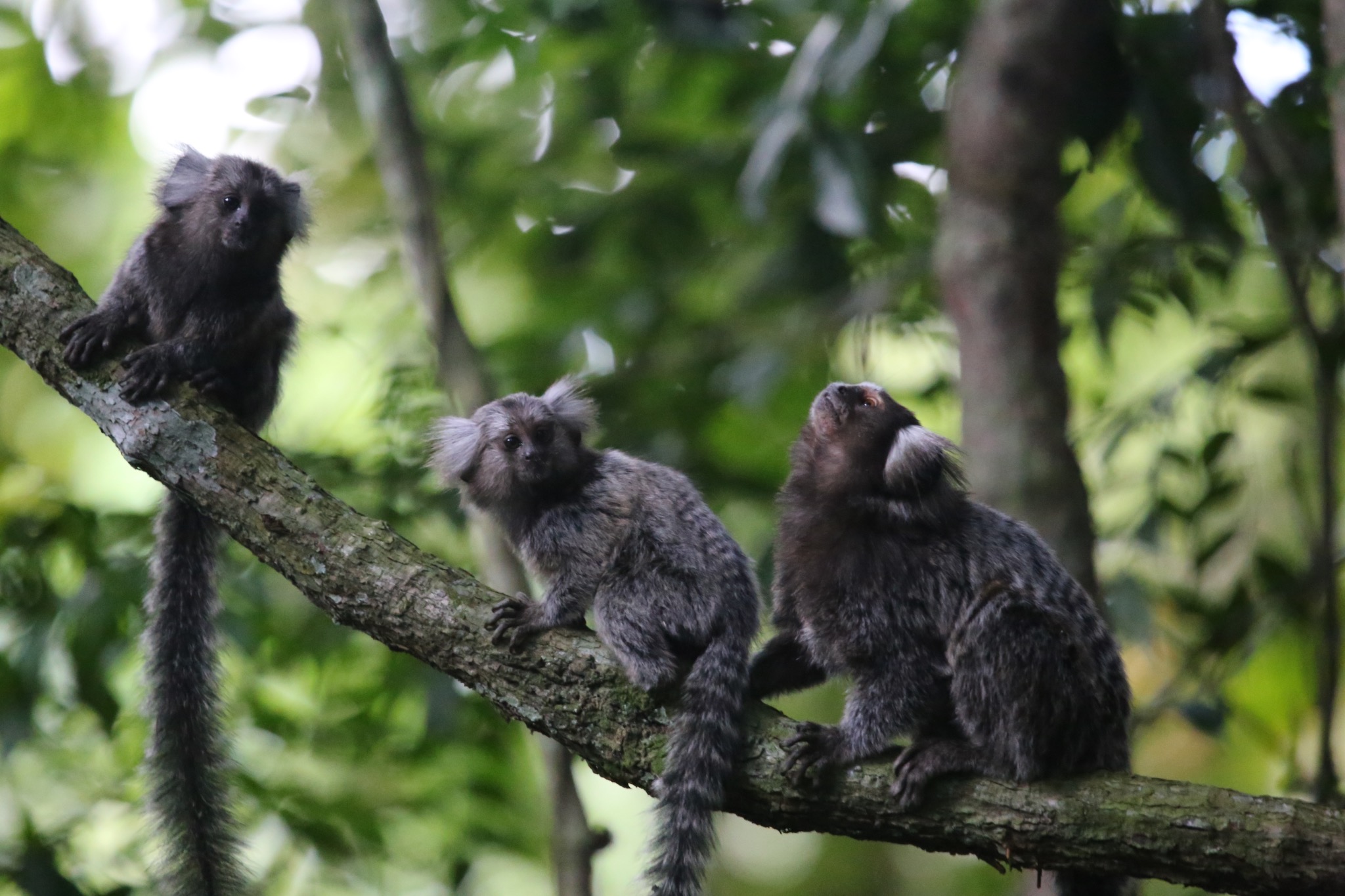
Animals do not simply occupy physical space—they inhabit a world structured by other individuals. Moving through that world requires knowing where you are, where others are, who they are, and how these relationships change over time. We study the neural mechanisms that transform sensory information and experience into representations of social scenes. By examining these processes during natural behavior, we seek to understand how the brain constructs the internal representations that allow an individual to represent “who is where” in the world and navigate the dynamics of primate social groups.
Active Vision
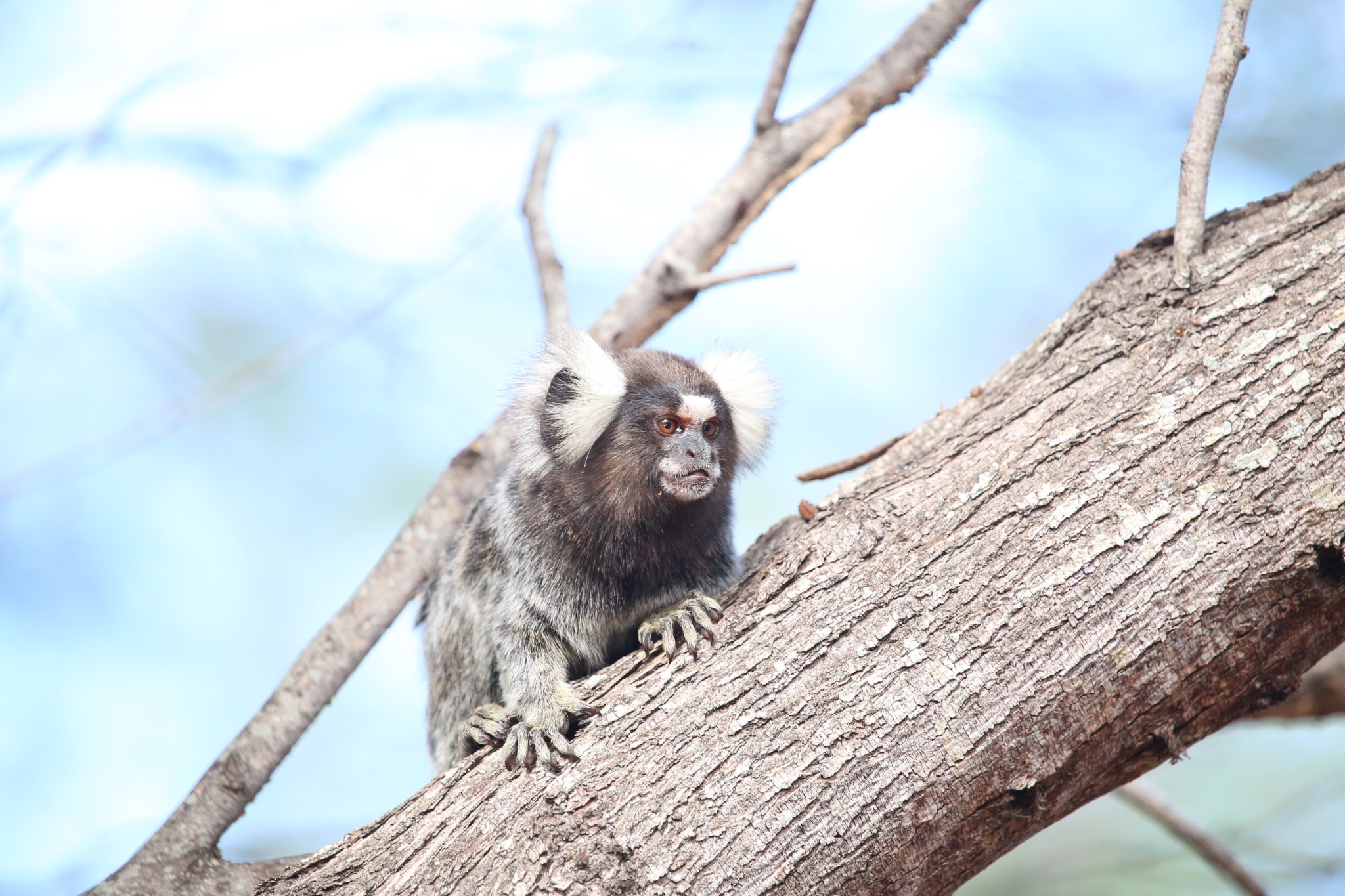
Vision is not a passive process in which the brain simply receives images of the world. We actively explore the world around us and, in doing so, control what visual information reaches the brain through movements of the eyes, head, and body. We study the neural mechanisms that support this continuous interaction between seeing and acting, from the moment-to-moment selection of visual information to the construction of stable representations that can guide behavior. Understanding vision therefore requires studying the brain while an animal is actively exploring and interacting with the world.